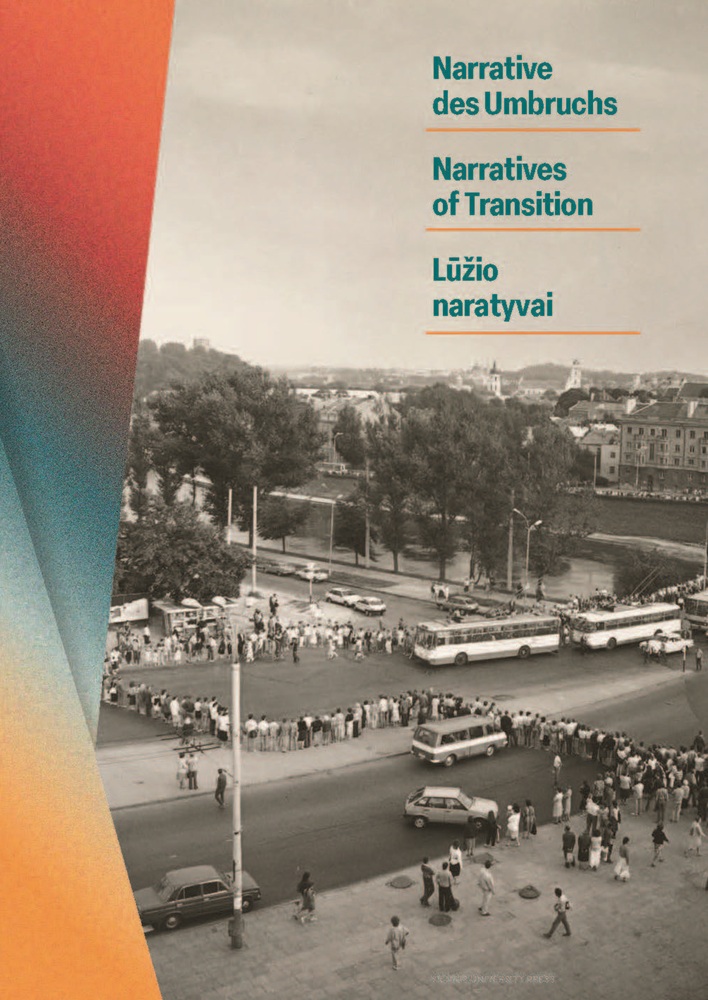
The transition of numerous post-Soviet and post-socialist countries in Central and Eastern Europe to the Western model of democracy and economy between 1989 and 2022 proceeded under very different conditions. Taking the relations of Germany and the Baltic states as a starting point, the contributions collected here explore this era of transformation from its conclusion: drawing on expertise in contemporary history, literary studies, political science, economics, and sociology. The connecting element here is the respective linguistic framing of the upheaval – that is, the way in which transformation is and has been communicated and labeled in narratives. The volume concludes with statements from a panel discussion among academic, political, and diplomatic representatives on issues of EU and Western orientation in the region.
Published with the support of the Leibniz Institute for the History and Culture of Eastern Europe (GWZO) e. V. in Leipzig. This measure is cofinanced by tax funds on the basis of the budget adopted by the Saxon State Parliament.

This work is licensed under a Creative Commons Attribution 4.0 International License.